


ERRL: Current Projects
Uptake of Arsenic by plants of the Oak Openings Region
Jordan Rofkar
Post-doctoral Researcher
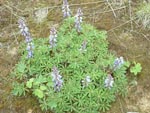
I am currently involved in a USDA-funded Phytoremediation project. I am working with my major professor (Daryl F. Dwyer) and other members of ERRL, to identify indigenous Oak Openings plants that accumulate arsenic. Arsenic is now the contaminant of greatest concern, according to the USEPA. Lumber treatment, pesticide production, and glass manufacturing have all resulted in arsenic-contaminated brownfields in the U.S. Contamination of drinking water in areas of southeast Asia have prompted the creation of the Grainger Challenge Prize – an international prize based on the design and implementation of passive, arsenic-treatment systems. In other words, arsenic contamination is widespread. I hope that our research will contribute information about the potential for inexpensive, passive treatment of arsenic-contaminated soil and water.
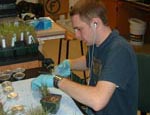
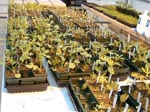
Methods for identifying plants that accumulate arsenic:
1. Screening plants in a controlled environment.
 |
 |
 |
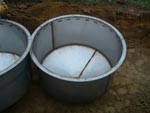
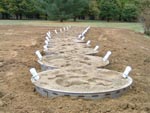
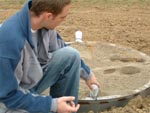
2.Screening plants in field lysimeters.
 |
 |
 |